Shared Living in Japan: What's It Actually Like?

If you live in Japan or you’re planning to move there, or if you’re a fan of Terrace House, you’ve probably heard of share houses.
Although living alone and living with family are the two most common housing arrangements in Japan, share houses present an alternative option and have become quite popular over the years.
Lots of share houses advertise benefits like flexible contracts, cheap rent, low start-up costs, and friendly communities. But do they really deliver on these promises?
As you might have guessed, the answer is: It depends!
It depends on your personality, which house you pick, and what the community is like.
I’ve lived in 4 different share houses during my time in Japan and each one was unique. Some were wonderful places to live and some… were not.
Here are the details of every share house I’ve experienced. If you’re considering living in one, I hope this will be a useful guide!
Big Share House in Azabu-Juban, Tokyo
Location: ★★★★★
The nearest stations were Azabu-Juban (5-minute walk) and Roppongi (12-minute walk).
This is about as central as it gets. The Azabu-Juban neighborhood was quite pleasant with plenty of restaurants, and a small but reasonably priced supermarket.
I chose this house entirely for the location, and I believe most of the other residents did too. The house was walking distance from my office, sparing me from the hellish Tokyo train commutes that I heard so much about.
Cost: ★★★☆☆
The monthly rent was 97,000 yen, utilities and internet included.
The only other cost was a security deposit equal to one month’s rent, which was refunded to me after moving out. No key money or other startup costs were needed.
97,000 for rent is pretty steep even by Tokyo standards. Azabu-Juban is also known for being one of the most expensive neighborhoods in Japan, with the average studio apartment costing around 125,000 yen per month before factoring in utilities.
Since my commute to work was a 15-minute walk, I felt that the convenience and time saved made it worth the cost.
Comfort: ★★★☆☆
I had a room to myself, which was a measly 7.3 m². It was the smallest room I had ever lived in.
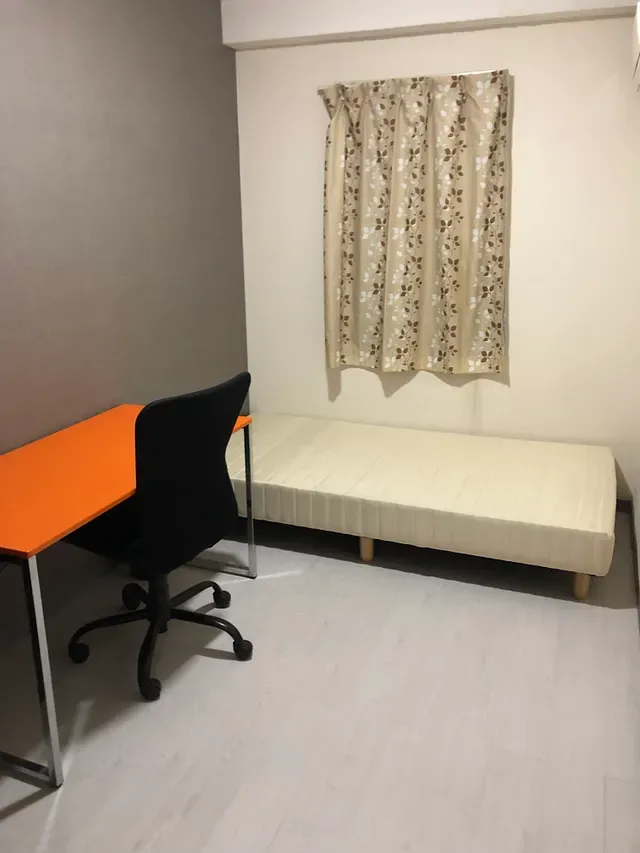
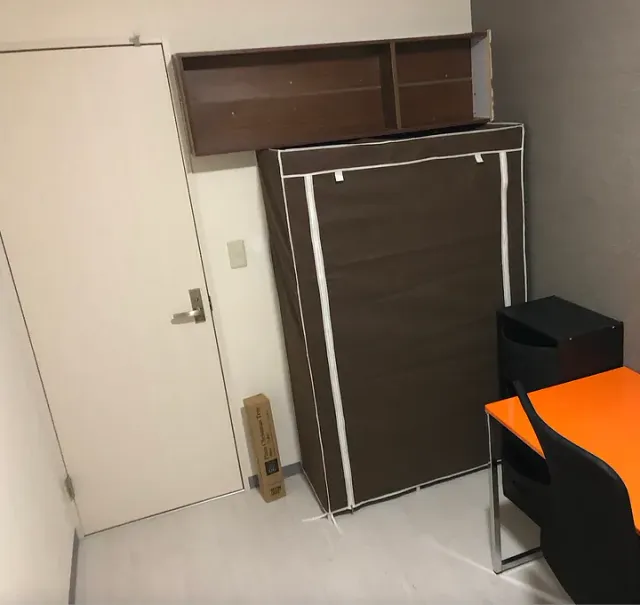
But for someone who had just arrived in Tokyo with nothing more than a few boxes and suitcases, it was actually more than enough. The room came furnished with a bed, desk, chair, and closet.
Each floor had shared bathrooms, showers, and laundry machines. The building’s first floor also had a large kitchen and dining area. All the facilities were clean and well-maintained.
Despite the room’s small size, I found it reasonably comfortable. I spent most of my days at work or out in the city so it never got too claustrophobic.
Community: ★★☆☆☆
With a total of 62 rooms, this “house” really felt more like a huge apartment complex branded as a share house. But with so many residents, there was bound to be a huge community and chances to make friends, right?
Turns out this is where the house fell short for me. In spite of the huge number of people, I felt like there was no sense of community.
Despite having large and well-maintained shared facilities like a kitchen, gym, and even a theater room, I found that they were empty 80% of the time. Where was everyone?
A few weeks after I moved in, the house owner kindly held a welcome party and barbecue. I joined with high hopes but found that every single conversation I had ended up being shallow talk about work, money, or partying.
The majority of residents were actually single men in their 20s to 50s, and it seemed like most of them chose this house for the location: close to work and close to Roppongi’s wild nightlife scene.
I think this house’s community would cater well to people with certain personalities and interests, but it wasn’t a good fit for me. I felt awkward living in such a large house surrounded by people with completely different interests.
Although I didn’t make any lasting friendships here, I enjoyed the proximity to work and lived fairly comfortably for a year before moving to a new house.
Big Share House in Takanawa, Tokyo
Location: ★★☆☆☆
The nearest stations were Shirokane-Takanawa (5-minute walk) and Sengakuji (11-minute walk).
I heard many good things about the Shirokane-Takanawa neighborhood. Upscale, residential, comfortable, and overall a desirable place to live.
Unfortunately, I actually found it to be incredibly boring, way too expensive, and sorely lacking in affordable options for food and groceries. The location was also unexpectedly inconvenient because I commuted via bus, which should have taken less than 40 minutes according to Google Maps. In reality, the commute was unpredictable and took anywhere between 50 minutes and an hour due to rush hour traffic.
Though it wasn’t a good fit for me, I think the location would be ideal for wealthy folks, families, and people who work nearby.
Cost: ★★☆☆☆
The monthly rent was a whopping 105,000 yen, utilities and internet included.
Unlike the Azabu house, this one required a non-refundable key money payment in addition to a security deposit. My wallet was in quite a bit of pain, although it was still cheaper than renting a regular apartment.
Shirokane-Takanawa is also an expensive area, with the average studio apartment costing around 116,000 yen per month.
Considering that the rent was more expensive and the location less desirable, I didn’t think the cost was worth it in retrospect.
Comfort: ★★☆☆☆
The room size was around 8 m², which doesn’t sound like much but felt noticeably more spacious than my previous room. I was able to upgrade to a larger bed and had a bit more room to store things.
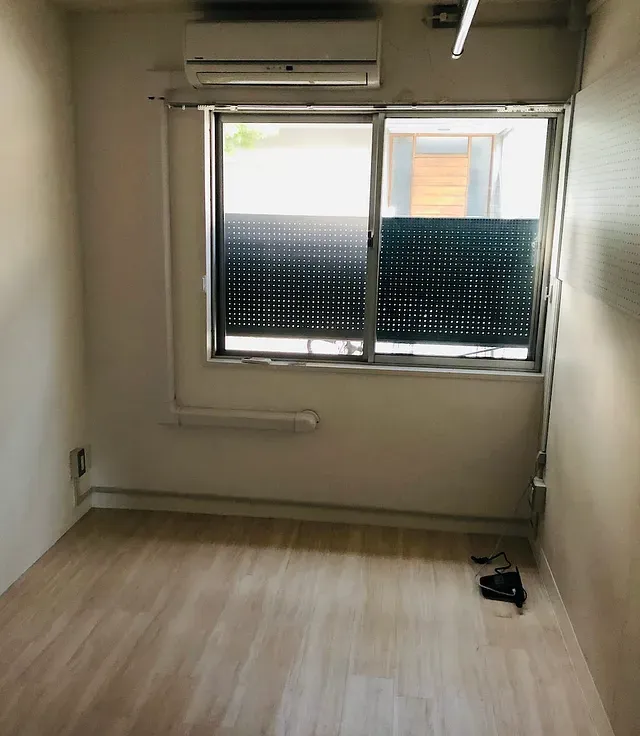
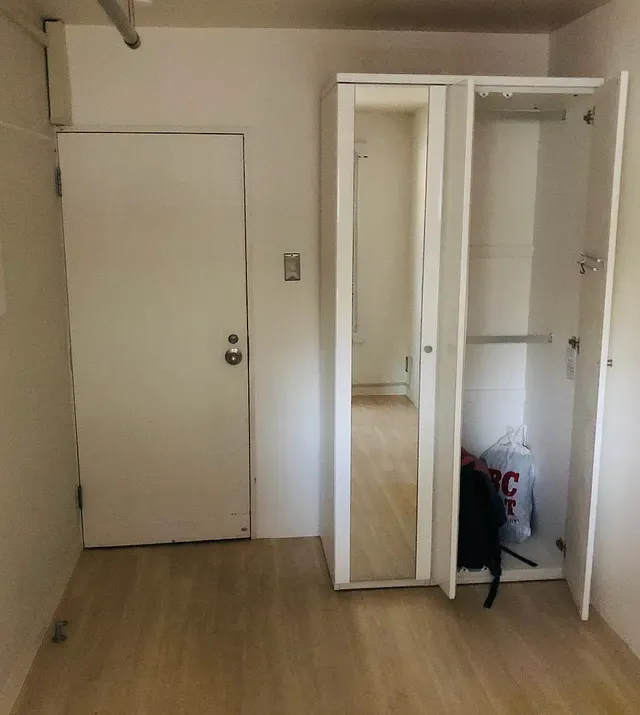
For some reason my room was extremely humid and stuffy during the summer months, even with the air conditioning on dehumidifying mode running at full-blast. It was bad enough to the point where it was hard to sleep and breathe, and I had to clean every day to prevent mold from growing.
I tried other solutions like buying an additional dehumidifier and opening the windows periodically for ventilation, but nothing solved the issue. Eventually I contacted the house’s management about it, to which the response was “We’re not sure what’s wrong. The previous resident didn’t have this problem.”
On top of this, the walls were paper thin and I could hear my neighbor at every hour of the day. I’m sure he could also hear me cursing regularly as I wallowed in discomfort.
Community: ★★★☆☆
This house had 50 rooms, making it a bit smaller than the previous house but still huge by all accounts.
I moved here because the house seemed to have a much friendlier community, at least according to the management company’s expert marketing. Before I moved in, I had a tour of the house given by a former resident who seemed like he really enjoyed his time there.
It turned out that this house did have much more of a community feel than the previous one. The lounges and shared facilities were pleasant and well-maintained, with people actually using them and hanging out at various times during the day.

However, I ended up realizing that this kind of environment was exhausting for me to live in. With so many residents, it was impossible to meet and get to know everyone. Every time I walked through the hallways, used the kitchen, or spent time in the lounge, I would encounter someone I didn’t know.
It felt awkward being surrounded by strangers at every hour of the day in my own home. I found myself frequently overthinking social interactions with my neighbors, never really sure when it was appropriate to greet them, strike up conversations with them, or just leave them alone.
I did get to know some of the residents during my time here. Some were very friendly and easy to get along with. A few were cordial but didn’t seem super interested in making friends. One was an older woman who was constantly inebriated and kept on picking fights with another resident.
Although I met a few very nice people at this house, I really didn’t enjoy living there and ended up leaving after 3 months.
When choosing a place to live, most people want 3 things: A good price, a good location, and comfort. In a city like Tokyo, you can generally get two of those three.
This house miraculously checked none of the boxes. It was expensive, I didn’t like the location, and I found it both physically and mentally uncomfortable to live in.
Thankfully, my next share house was a much more pleasant experience.
Small Share House in Shinagawa-ku, Tokyo
Location: ★★★★☆
The nearest station was Shimbamba (2-minute walk).
The house was located in a residential part of the Shinagawa Ward, just 2 stations away from Shinagawa Station via local train.
Getting to other major areas of Tokyo generally required a transfer at Shinagawa, but I found the location to be very convenient.
The neighborhood was pleasant and comfortable with a good amount of options for food and groceries. I appreciated that it felt more homely and down-to-earth than the upscale neighborhoods I had previously lived in.
Cost: ★★★★★
The monthly rent was 55,000 yen, utilities and internet included.
This was an absolute steal for the price - ridiculously cheap by Tokyo standards despite the great location. The average rent for a studio apartment in the Shimbamba area is around 95,000 yen per month, so I was getting by on a little over half of that.
Comfort: ★★★☆☆
The catch is that I lived in the smallest room in the house, which featured a total space of 5 m².
This was even smaller than the rooms at my previous 2 houses, and more akin to a walk-in closet than an actual room.
The house did have several larger rooms available in the 70,000 to 80,000 range, but I opted for the cheapest room to save money after having my wallet destroyed by the previous two share houses.
My room came furnished with a loft-style bed and a desk directly underneath. Nothing more, nothing less. It was the peak of space efficiency.
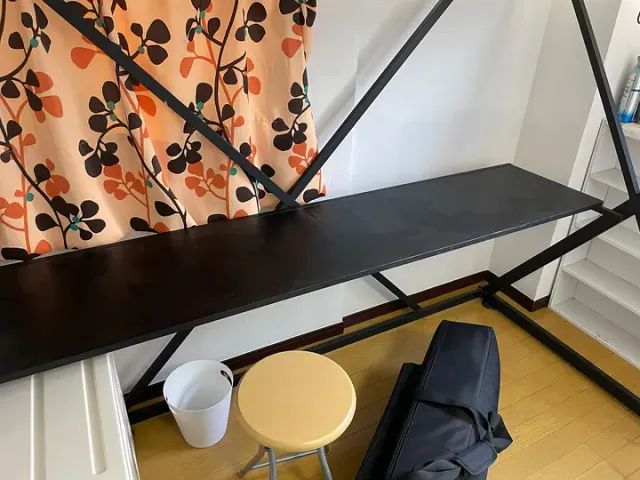
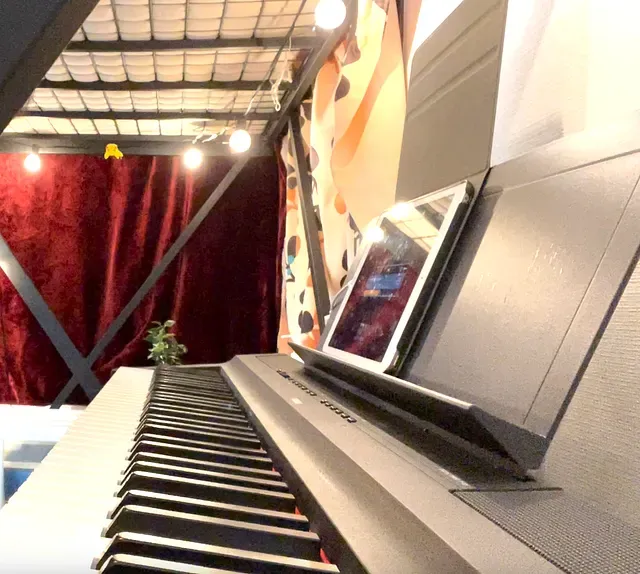
Most would shudder at the thought of living in such a tight space, but I was willing to deal with it especially when considering the ridiculously low rent.
Like the other houses, this one had a shared kitchen, bathrooms, and showers. Although smaller and less fancy than the previous houses, the kitchen area had a dining table, TV, and games. It was a great place to hang out so I often worked, studied, or killed time there. Having a second place to spend time in made my bedroom’s tiny size way less of an issue than I imagined.
Community: ★★★★☆
With just 11 rooms, this house had a much smaller community. It didn’t take long to meet everyone and remember their names.
The community within the house was great. Some members enjoyed spending time in the kitchen and dining area like I did, so there were plenty of chances to chat and hang out. Other members preferred to stay in the privacy of their rooms, but we still knew each others’ names and could exchange friendly greetings whenever we saw each other.
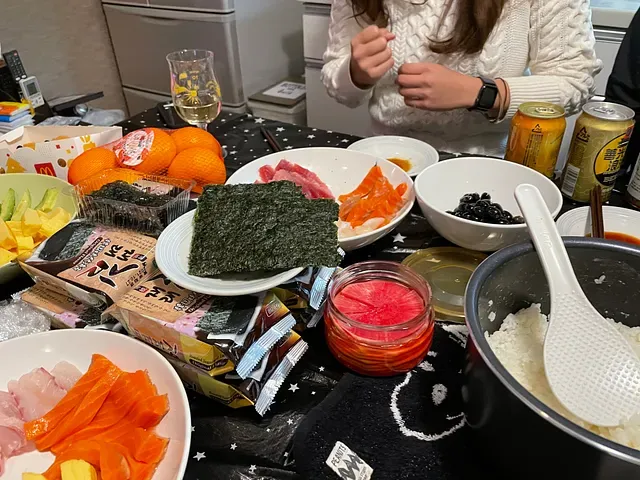
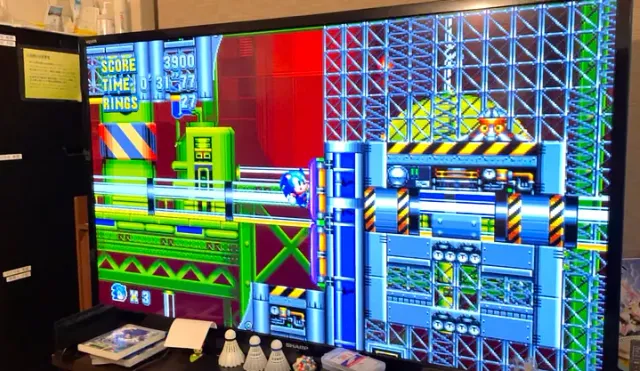
We occasionally had gatherings and parties, some planned and some spontaneous. Whenever someone new moved in, the house owner would announce it and let us know to make them feel welcome. She was super sweet and often brought us food to eat, and even treated us to dinner at a fancy yakiniku restaurant.
Some of the residents were people who had just moved to Tokyo and needed a temporary place to live while searching for apartments. Others chose the house for its location, which was within walking distance from several major companies located in the Shinagawa area. A few of the residents originally planned to live in the house temporarily but liked it so much that they stayed for years!
Since the rooms are small and the facilities are shared, a house like this might not be a comfortable long-term option for everyone. But I think it’s a wonderful choice if you’re new to Japan and want a place to stay for a few months, while potentially making some new friends in the process. Thanks to the very flexible contracts, moving in and out is painless and doesn’t come with any additional fees.
I lived in this house for 8 months until some life changes happened and I moved out of Tokyo. My next home would be yet another shared living space, this time in Kyoto.
Hostel in Sakyo-ku, Kyoto
Location: ★★★★★
The nearest station was Jingu-Marutamachi (3-minute walk).
This was an amazing and yet little-known location in Kyoto’s Sakyo Ward. Quiet and off the tourist radar, yet just a 15-minute walk from Kyoto’s lively Sanjo area.
The fun part is that this place was actually a hostel temporarily converted into a share house. Due to Covid-related restrictions, there were very few travelers and most of the guest rooms were empty. The hostel introduced an option for long-term stays, essentially letting people rent out rooms on a monthly basis.
Cost: ★★★★★
The monthly rent was 54,000 yen, utilities and internet included. No other fees or deposits needed.
The average rent in the neighborhood is around 60,000 yen, which is higher than the average in Kyoto City but significantly cheaper than Tokyo.
Comfort: ★★★★☆
On top of being my most affordable room to date, it was also by far the largest and most comfortable with around 11 m² of space. It was actually a twin room with 2 beds, but I had it all for myself.
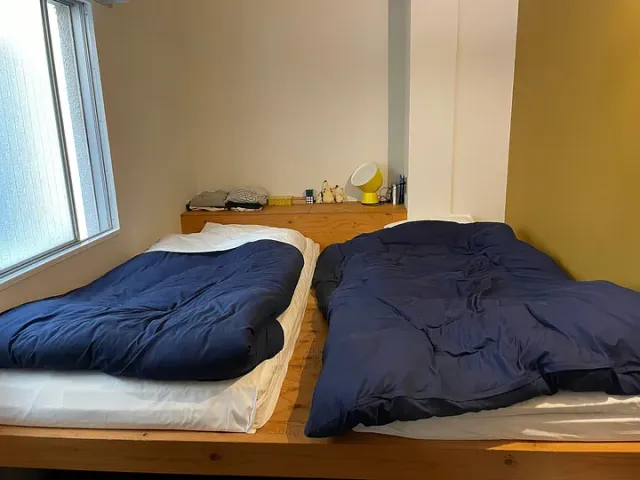
The bathrooms and showers were shared and exceptionally well-maintained. This was by far the cleanest and best-kept place I’ve ever lived.
In addition, the first floor of the hostel was a proper cafe with plenty of seating, food and drinks for sale, and a huge kitchen. Guests were free to use the kitchen and cafe space at any hour of the day. I ended up spending most of my time there working, studying, or chatting with other guests.
The only complaint I had was that the guest rooms had very thin walls, so we had to be careful not to make too much noise at nighttime. Thankfully, everyone was quiet and respectful.
Community: ★★★★★
I absolutely loved every second of living here, and it was all thanks to the incredible community. I met the most amazing people, made tons of friends, and left with some of the best memories of my life.
Although the number of guests fluctuated, there were usually between 10 to 15 living here at a time. The other guests were a diverse crowd: some were students, some were taking indefinite breaks from school or work, some were digital nomads, and some were in between jobs. This was super interesting for me having just come from Tokyo, where 95% of the people I met were office workers living very “traditional” lifestyles.
Every single person I met was super friendly, and there was zero drama. Everyone got along great and the community was absolutely wonderful.
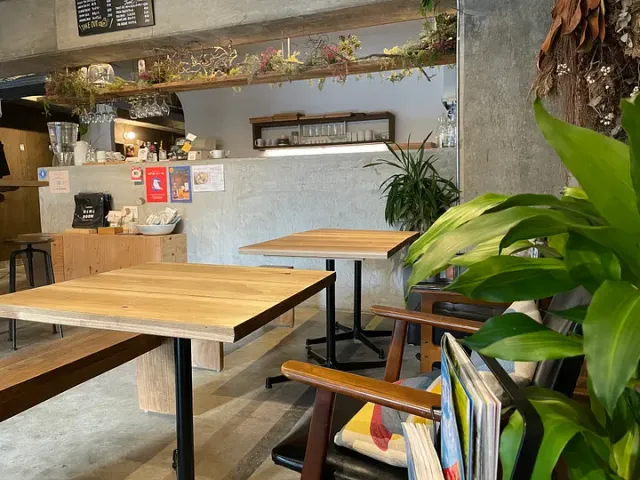
The cafe was the perfect place for us to hang out. We often would gather for dinner, watch movies, play games, and sing songs together.
It really was a dream-like living situation, and the only catch was that due to the constantly changing travel restrictions, we weren’t sure how long the option for monthly stays would last. Eventually, the hostel would have to return to its original business model.
I ended up staying for 8 wonderful months, after which I decided to settle in Kyoto and get my own apartment. This marked the end of my share house adventures.
Wrap-up
If you’re considering the share house life, here’s my humble advice:
- If you want to make friends and enjoy the social aspects of shared living, pick a small share house! You’re more likely to become part of the community that way.
- If you don’t really mind the community aspect and just want to live in a very specific location (somewhere close to work or school) for an affordable price, a large share house can still be a great option.
- At the end of the day, share houses can really be hit-or-miss. If by chance you end up in a house that isn’t a good fit, don’t hesitate to move out and try something new.
I hope you’ll find the perfect home and enjoy a wonderful life in Japan!